

close
Choose Your Site
Global
Social Media
Views: 0 Author: Site Editor Publish Time: 2026-09-08 Origin: Site


Precise, high-speed separation forms the backbone of molecular biology workflows. Sample integrity during these steps directly dictates the success of downstream assays. Whether you are isolating delicate RNA strands or quickly spinning down reagents for an amplification reaction, the forces applied to your samples matter. Using the wrong equipment introduces severe operational risks. You might face thermal degradation of labile samples, workflow bottlenecks from limited rotor capacity, or serious safety hazards due to improper biocontainment. To avoid these pitfalls, lab managers and technicians need a structured evaluation framework. Selecting the right equipment requires matching application-specific g-force requirements with appropriate thermal management. You must also consider rotor versatility and the realities of long-term maintenance. By understanding the mechanical and physical demands of your specific protocols, you can optimize your benchtop setup for both safety and efficiency.
Application Dictates Specifications: DNA/RNA extraction generally requires higher Relative Centrifugal Force (RCF) and refrigeration, whereas quick spin-downs for PCR can be handled by a simpler, ventilated PCR centrifuge.
RCF Trumps RPM: Procurement decisions must be based on RCF (g-force) rather than RPM, as RCF is the true measure of separation capability and is rotor-dependent.
Rotor Versatility is a Cost-Saver: Investing in a small sample centrifuge with interchangeable rotors (e.g., standard microtubes, PCR strips, hematocrit) extends equipment utility and prevents benchtop crowding.
Safety and Maintenance are Non-Negotiable: Aerosol-tight, biocontainment-certified rotors, proper installation, and strict adherence to maintenance SOPs are mandatory for operator safety and equipment longevity.
Different laboratory protocols impose drastically different mechanical demands on your equipment. DNA and RNA extraction protocols typically require high Relative Centrifugal Force (RCF) and extended run times. These procedures rely on forcing nucleic acids through silica membranes in spin columns or pelleting precipitated DNA at the bottom of a microtube. The forces required often exceed 15,000 x g. You need sustained, high-velocity rotation to ensure the complete passage of viscous lysates through the binding matrix. In contrast, protein isolation and cell pelleting generally require gentler forces. Pushing a cell culture too hard will rupture delicate cell membranes, spilling intracellular contents and ruining the sample.
Understanding the fundamental mechanics of density separation at a micro-scale is mandatory for lab technicians. When a micro centrifuge spins samples at high speeds, it generates centrifugal force that pushes denser materials outward. In a fixed-angle rotor, this material travels down the side of the tube and collects at the bottom edge, forming a solid pellet. The chosen unit must rapidly force these denser materials out of suspension without compromising sample viability through excessive shear stress or heat generation. The efficiency of this process is often defined by the rotor's k-factor, which indicates the time required to pellet a specific particle.
For standard polymerase chain reaction setups, the baseline requirements are much simpler. You primarily need to collect liquid droplets from the walls and lids of the tubes to ensure all reagents are present in the reaction volume. Post-reaction spin-downs serve a similar purpose. These tasks require minimal g-force and very short run times, often just a few seconds.
Application | Typical RCF Requirement | Temperature Control | Run Duration |
|---|---|---|---|
DNA/RNA Extraction (Spin Column) | 10,000 - 16,000 x g | Refrigerated (4°C) or Ambient | 1 - 5 minutes per step |
Cell Pelleting (Mammalian) | 300 - 1,000 x g | Refrigerated (4°C) | 5 - 10 minutes |
Protein Isolation | 10,000 - 15,000 x g | Strictly Refrigerated (4°C) | 10 - 30 minutes |
PCR Reagent Spin-down | 1,000 - 3,000 x g | Ambient | 10 - 30 seconds |
Before selecting equipment, you must assess your daily sample volume expectations. A lab processing hundreds of samples daily faces different logistical challenges than a lab running occasional diagnostic tests. High-throughput environments need larger rotor capacities to process more tubes simultaneously. This reduces the total number of runs required per shift and minimizes bottlenecks at the bench.
Determine the necessary tube capacities to map out your required rotor configurations. Standard molecular biology workflows heavily utilize 1.5 mL and 2.0 mL microcentrifuge tubes. However, specialized protocols might require 0.5 mL tubes, 0.2 mL PCR tubes, or even 5.0 mL formats for larger volume preparations. Identifying the exact mix of tube sizes your lab handles daily allows you to select a unit with the appropriate primary rotor and necessary adapters.
Follow these steps to audit your throughput requirements:
Track the maximum number of samples processed during peak operational hours over a two-week period.
Identify the primary tube formats used across all active protocols in your facility.
Calculate the required rotor capacity to process a standard batch in a single run without splitting samples.
Evaluate the need for specialized adapters to accommodate secondary tube sizes within the primary rotor.
The choice between ventilated and refrigerated models depends entirely on the thermal stability of your samples. Ventilated units rely on ambient air-cooling. As the rotor spins, it draws air into the chamber, circulates it over the rotor to dissipate heat, and exhausts it. This mechanism works well for temperature-resilient samples and short runs. However, extended runs at maximum speed generate significant friction-induced heat. Inside a ventilated chamber, temperatures can easily rise 10°C to 15°C above ambient room temperature. This heat buildup will rapidly degrade sensitive biological molecules like RNA or active enzymes.
Refrigerated models utilize compressor-based cooling systems to actively manage chamber temperatures. These units are necessary for processing temperature-sensitive nucleic acids, active enzymes, and delicate proteins. A high-quality refrigerated unit should maintain a stable 4°C even while running at maximum speed. This active cooling ensures sample integrity during lengthy extraction or purification protocols. The trade-off includes a larger physical footprint and heavier equipment due to the internal compressor. You also need to account for the pre-cooling time required before starting a sensitive run.
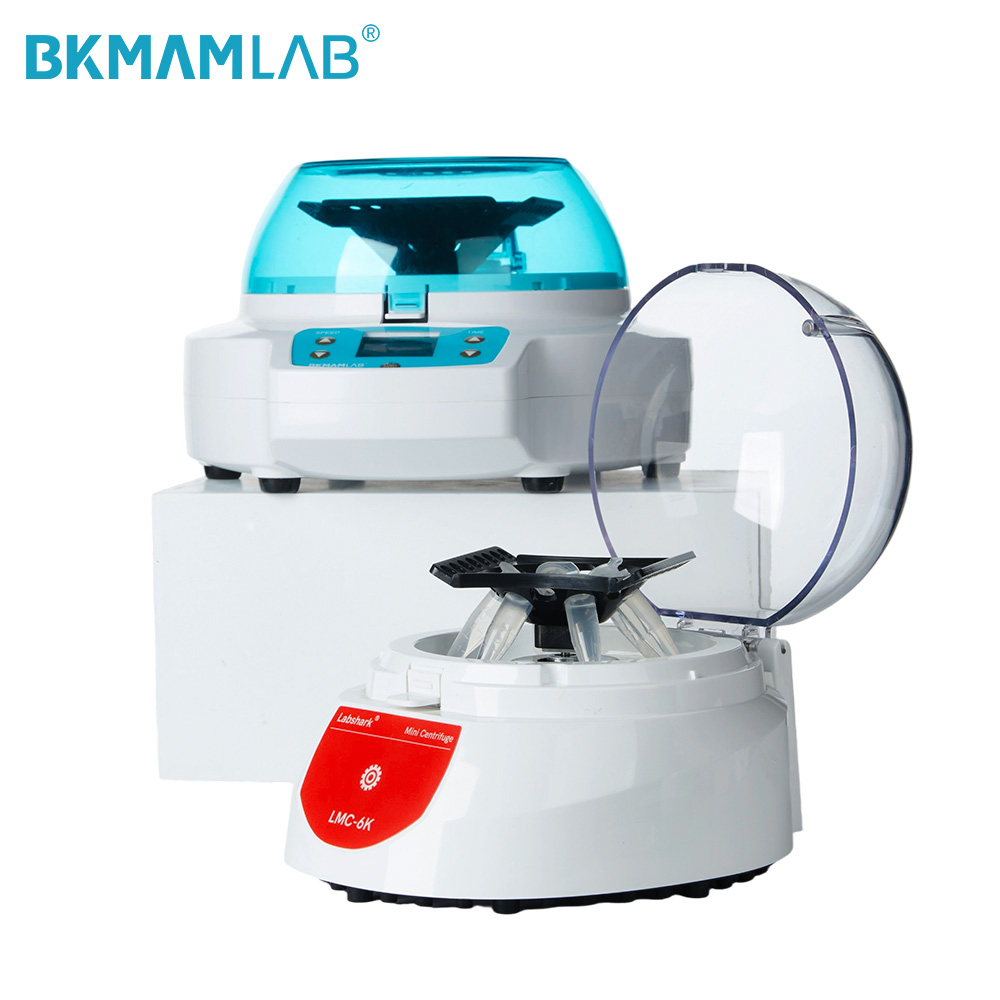
Lab space is often at a premium, making the physical footprint of your equipment a major consideration. A dedicated PCR strip centrifuge offers a highly compact solution. These units fit easily on crowded benches or inside biosafety cabinets. They are designed for one specific task: quick spin-downs of PCR strips or small microtubes. They offer limited speed control and usually feature a simple on/off mechanism. Their simplicity makes them highly reliable for their specific niche.
In contrast, a high-speed, multi-purpose unit provides extensive utility across various protocols. These machines accommodate interchangeable rotors, allowing you to switch between standard microtubes, PCR plates, and even hematocrit capillaries. While they consume more bench space, their versatility often eliminates the need for multiple specialized machines. You must weigh the benefit of a tiny footprint against the operational flexibility of a multi-purpose machine.
A common error in lab equipment selection is prioritizing Revolutions Per Minute (RPM) over Relative Centrifugal Force (RCF). RPM simply measures how fast the rotor spins, but it does not tell you how much force is actually applied to the sample. RCF, expressed as multiples of Earth's gravity (x g), is the true measure of separation capability. The mathematical relationship between the two relies on the rotor's radius. A larger rotor spinning at 10,000 RPM generates significantly more g-force than a smaller rotor spinning at the exact same speed.
When evaluating a microcentrifuge, always match the maximum RCF to your standard lab protocols. Routine DNA pelleting generally requires 14,000 to 16,000 x g. Spin-column purifications often specify forces around 10,000 to 15,000 x g. Quick spin-downs for droplet collection might only need 2,000 x g. Procuring a unit based on RCF benchmarks ensures the machine can actually perform the required physical separation.
Rotor Radius (cm) | Speed (RPM) | Resulting RCF (x g) |
|---|---|---|
5.0 | 10,000 | 5,590 |
7.5 | 10,000 | 8,385 |
10.0 | 10,000 | 11,180 |
7.5 | 14,000 | 16,434 |
Rotor design directly impacts your workflow efficiency. Fixed-angle rotors are the standard for micro-volume applications. They hold tubes at a specific angle, typically 45 degrees, which forces the pellet to form efficiently along the lower side of the tube. Specialized rotors, such as spin-column rotors with raised lids, accommodate the extra height of column-and-tube assemblies. This prevents the lids from snapping off during high-speed runs and ruining the sample.
Rotor materials also vary, each presenting distinct trade-offs in the lab environment.
Anodized Aluminum: The traditional choice. It is highly durable, fully autoclavable, and resists most standard lab chemicals. However, it is heavy, which puts more strain on the motor during acceleration and deceleration.
Carbon Fiber: A modern alternative. They are significantly lighter, allowing for faster speed transitions and reducing wear on the drive shaft. They are also highly corrosion-resistant and easier to handle during rotor swaps.
High-Impact Plastics: Sometimes used for lower-speed applications. They are lightweight and inexpensive but lack the structural integrity required for sustained high-g forces.
Bench space footprint remains a critical factor, especially in crowded labs or when operating inside biosafety cabinets. You need high-speed centrifugation capabilities without sacrificing valuable workspace. Measure your available bench depth and height clearances carefully, accounting for the space required to fully open the lid. A lid that cannot open fully will make loading and unloading tubes incredibly frustrating and increases the risk of dropping samples.
User interfaces significantly impact daily ergonomics. Membrane keypads are highly recommended for biological labs because they are seamless and easy to decontaminate with standard disinfectants. Rotary knobs offer quick, tactile adjustments but can harbor contaminants in their crevices. Touchscreens provide intuitive navigation for complex programming but require compatible gloves for operation.
Noise levels, measured in decibels (dB), directly affect lab ergonomics and operator comfort. High-speed spinning generates aerodynamic noise and motor whine. Look for units rated below 55 dB. Continuous exposure to high noise levels causes fatigue and disrupts communication in the laboratory environment.
Proper installation prevents catastrophic equipment failure and ensures accurate performance. The most critical environmental requirement is a perfectly level, stable surface. High-speed rotors generate immense kinetic energy. If the surface is uneven, the machine can vibrate excessively and walk across the benchtop, posing a severe hazard. Heavy-duty lab benches with vibration dampening properties provide the best foundation.
Adequate rear and side clearance is mandatory for proper ventilation and heat dissipation. Blocking the exhaust vents causes internal temperatures to spike, which can damage both your samples and the motor electronics. Furthermore, verify your electrical requirements. High-speed acceleration draws significant current. Connecting the unit to a dedicated power supply prevents voltage drops that could interrupt runs or affect other sensitive lab equipment on the same circuit. Inspect power cords regularly for any signs of fraying or heat damage.
Rotor imbalance is the leading cause of equipment damage. You must establish strict standard operating procedures for balancing samples. Tubes placed opposite each other in the rotor must be balanced by mass, not just by volume. Different liquids have different densities; 1 mL of a dense gradient solution weighs more than 1 mL of water.
Operating an unbalanced small sample centrifuge causes the rotor to wobble on the drive shaft. This excessive vibration leads to premature motor wear, damages the bearings, and can ultimately cause the rotor to detach during a run. Always use a precision lab scale to balance opposing tubes when working with high-density solutions or large volumes.
Follow these balancing rules:
Always place tubes symmetrically across the center axis of the rotor.
Use a balance tube filled with a liquid of identical density if you have an odd number of samples.
Ensure all tube caps are securely closed to prevent sample loss and sudden imbalance during the run.
Never mix different tube sizes or types in opposing rotor positions without the correct adapters.
High-speed rotors endure extreme physical stress during every run. Over time, this stress leads to metal fatigue, chemical corrosion, and micro-fractures. Scratches in the anodized coating of an aluminum rotor expose the raw metal to corrosive salts and alkaline detergents, accelerating degradation. Inspect rotors monthly for any signs of pitting, discoloration, or hairline cracks. Retire any compromised rotor immediately to prevent a catastrophic failure.
When handling infectious agents, hazardous chemicals, or radioactive materials, safety compliance is paramount. You must use aerosol-tight lids to prevent the release of dangerous aerosols if a tube leaks or shatters during a run. Look for equipment that carries third-party biocontainment certification, such as testing validated by Public Health England (Porton Down). This certification guarantees that the rotor seals can contain a catastrophic tube failure at maximum speed, protecting the operator and the lab environment. Remember to regularly lubricate the O-rings on aerosol-tight lids to maintain their seal integrity.
Routine maintenance extends the lifespan of your equipment and ensures reproducible results. Outline clear SOPs for routine cleaning and decontamination. Use neutral pH cleaners and avoid harsh abrasives that can scratch rotor surfaces. If a tube breaks, decontaminate the chamber and rotor immediately according to your biosafety guidelines. Remove the rotor from the chamber to clean the drive shaft and ensure no debris is interfering with the connection.
Regulatory compliance for clinical or accredited laboratories requires regular performance verification. You must schedule annual tachometer calibrations to verify that the displayed speed matches the actual rotor speed. Electrical safety testing should also be performed annually to ensure grounding integrity and prevent shock hazards. Integrating these maintenance schedules into your lab management system prevents costly downtime and ensures audit readiness.
Audit your current and projected tube formats to determine the exact rotor configurations and adapters required for your daily workflows.
Filter available models first by temperature control needs, then by maximum RCF capabilities.
Request detailed technical specification sheets from manufacturers to verify biocontainment certifications and decibel ratings.
Arrange for on-site or virtual demonstrations to assess interface usability, lid ergonomics, and actual operational noise levels before finalizing your selection.
A: A micro model is a robust benchtop unit capable of high speeds up to 21,000 x g, accommodating various interchangeable rotors for complex protocols. A mini model is a highly compact, dedicated unit designed for quick, low-speed spin-downs of small tubes or PCR strips, offering limited speed control and a much smaller footprint.
A: Standard DNA and RNA extraction protocols, particularly those utilizing silica spin columns, generally require an RCF between 10,000 x g and 16,000 x g. This high force is necessary to pull the viscous lysate through the binding membrane and to thoroughly dry the column matrix before the final elution step.
A: Yes, provided you have the correct rotor or adapter. Many high-speed benchtop units offer interchangeable rotors specifically designed to hold 0.2 mL PCR strips. Alternatively, you can use a dedicated PCR centrifuge for quick spin-downs without tying up your primary high-speed equipment.
A: You must choose a refrigerated unit when working with temperature-sensitive samples like active enzymes, delicate proteins, or RNA. Ventilated units generate friction heat during extended, high-speed runs, which degrades labile molecules. Refrigerated units actively maintain a stable 4°C to protect sample integrity throughout the protocol.
A: You must balance tubes by mass, placing them directly opposite each other in the rotor. If you are spinning a single sample, create a balance tube filled with a liquid of similar density to match the exact weight. Never balance by visual volume alone, especially when using high-density reagents.
A: The unit requires a perfectly level, stable surface with vibration dampening properties. You must provide at least 15 to 30 centimeters of clearance on the rear and sides to ensure proper ventilation and heat dissipation. Blocking these vents causes internal overheating, which damages the motor and compromises sample integrity.


